NeuroDevelopment |
🧠 NeuroDevelopmentThe Neuro Science of Brain Development 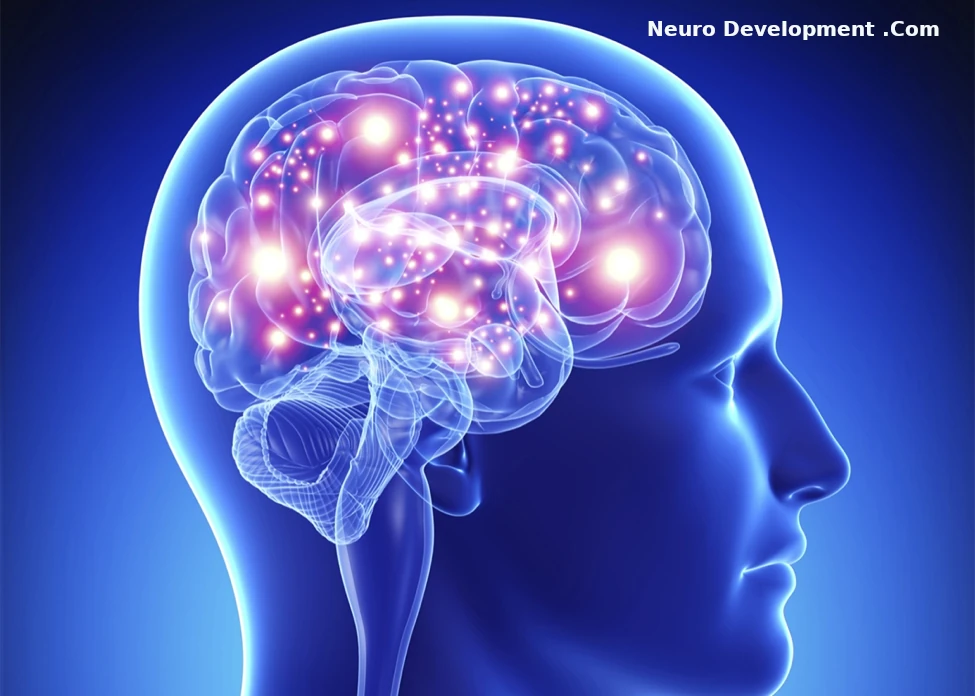
|
| NeuroDevelopment studies the brain and the development of neural system.
Neurodevelopment is a dance between genes and experience that makes us uniquely human. Find information and studies about neurology, brain, mental, health, neurons, memory, neuro-plasticity, neuro-disorders and neuro-therapy. |
What is Neurodevelopment?What is Neurodevelopment? NeuroDevelopment study neuroscience and biology basics to describes the mechanisms by which nervous systems grows and connect from embryonic development and throughout life. NeuroDevelopmental processes starts from stem cell that grows to axons and neurons which are finally thought to underlie learning and memory. NeuroDevelopment or neural development, is the field of study of development of the neurons and the nervous system. Neurodevelopment refers to the intricate biological processes that shape the brain and nervous system from conception through adulthood. It’s an awe-inspiring journey of growth, wiring, and refinement that lays the foundation for everything from breathing to creativity. NeuroDevelopment is the brain's ability to develop the neurological links, pathways and networks required for the normal functioning of the brain's ability to think, talk, see, learn, remember and develop social skills against others. The development of the nervous system, refers to the processes that generate, shape, and reshape the nervous system of animals, from the earliest stages of embryonic development to adulthood. Related with : neuroscience, health, neuropsychology, child development, born, disorders and development of the human body. |
🧬 Neurodevelopment building the brainBuilding the Brain from the Ground Up Prenatal Neurodevelopment - Neural system development from 0 months to birth in the utero. The building blocks of the neurodevelopment, starts with construction of the brain during the prenatal period. Neurodevelopment begins early in the womb, long before a baby takes its first breath. - Neural Tube Formation: Around the third week of gestation, the neural tube forms, which later becomes the brain and spinal cord. - Cellular Migration: Neurons travel to specific locations, guided by genetic instructions and chemical signals. - Synaptogenesis: Once in place, neurons begin forming synapses—tiny bridges for transmitting electrical signals. - Apoptosis: The brain “prunes” unused neurons, streamlining the system for efficiency and function. These processes are sensitive to genetic factors and environmental influences like nutrition, toxins, and maternal stress. |
👶 Neurodevelopment in ChildrenNeurodevelopment in Infancy and Early Childhood: Wiring and rewiring neurons in infants. Child Neurodevelopment The first few years of life are a critical window for neurodevelopment. This period is marked by rapid brain growth and plasticity. - Myelination: Axons become coated with myelin, a fatty substance that speeds up signal transmission. - Critical Periods: Vision, language, and emotional regulation develop through exposure and interaction. - Experience-Driven Changes: Enriched environments help sculpt neural architecture. Every cuddle, word, and song contributes to brain wiring. |
🧒 Neurodevelopment in AdolecenceMiddle Childhood and Adolescence: Maturation and Refinement Child Neurodevelopment As children grow, so does their ability to think abstractly, regulate emotions, and socialize. - Executive Functioning: Skills like attention, impulse control, and problem-solving strengthen via the prefrontal cortex. - Social Brain Networks: These adapt with peer interaction, empathy development, and identity exploration. - Risk and Reward: Adolescents are more sensitive to dopamine, fueling novelty-seeking and risk-taking behaviors. Hormonal changes during puberty also influence brain connectivity and emotional responses. |
🧓 Neurodevelopment in AdultsThe brain keeps adapting with neuroplasticity during adulthood. While neurodevelopment slows, it doesn’t stop. The adult brain continues learning, adapting, and reshaping itself. - Neurogenesis: New neurons form in certain regions, especially in the hippocampus (linked to memory). - Cognitive Flexibility: Experiences like learning a new language or skill can forge new neural pathways. - Aging and Decline: Some functions may weaken, but mental stimulation, social engagement, and exercise promote brain resilience. |
⚠️ Neurodevelopmental DisordersWhen typical development is disrupted, it can lead to neurodevelopmental conditions such as: Disorder; Key Characteristics Autism Spectrum Disorder; Challenges in social interaction & communication ADHD; Inattention, hyperactivity, and impulsivity Dyslexia; Difficulty with reading despite intelligence Cerebral Palsy; Motor impairments due to early brain injury Disorders in Neurodevelopment - Behaviour and cognitive disorders like depression, autism, epilepsy, schizophrenia, alzheimer’s disease, traumatic brain injuries, genetics, brain research, brain cancer, bipolar disorder, mental health Epilepsy Autism Schizophrenia |
🌱 How to help NeurodevelopmentTaking care of Neurodevelopment Early diagnosis and intervention are crucial to improve long-term outcomes. To support healthy brain development across the lifespan: - 🥦 Nutrition: Omega-3s, iron, and folic acid are essential during pregnancy and early childhood. Nutrition - 🎨 Stimulation: Interactive play, reading, and creative expression fuel brain growth. - 🧘 Emotional Support: Safe, loving environments help regulate stress and promote cognitive and emotional health. - 🏃 Physical Activity: Boosts blood flow and encourages brain plasticity at every age. NeuroTherapy and Neurodevelopment - Neuro therapies for brain stimulation |
🎓 NeuroScience📚 NeuroScience and Neurodevelopment - The science of neurodevelopment. Fields in Neuro Science. Neurology Neurons and NeuroDevelopment - The Neural System NeuroPlasticity and Brain Plasticity NeuroAnatomy and the nervous system NeuroBiology NeuroTransmitters and Neuro Transmission NeuroToxicants and NeuroToxins |
⭐ Importance of NeurodevelopmentImportance of neurodevelopment in our lives NeuroTraining and neural therapies to support the health and neurodevelopment. How to improve your brain. |
| Increase your Intelligence through NeuroDevelopmental Brain Training Learn how to use the science of neurodevelopment to increase your cognitive abilities, train your memory and be smarter. |